

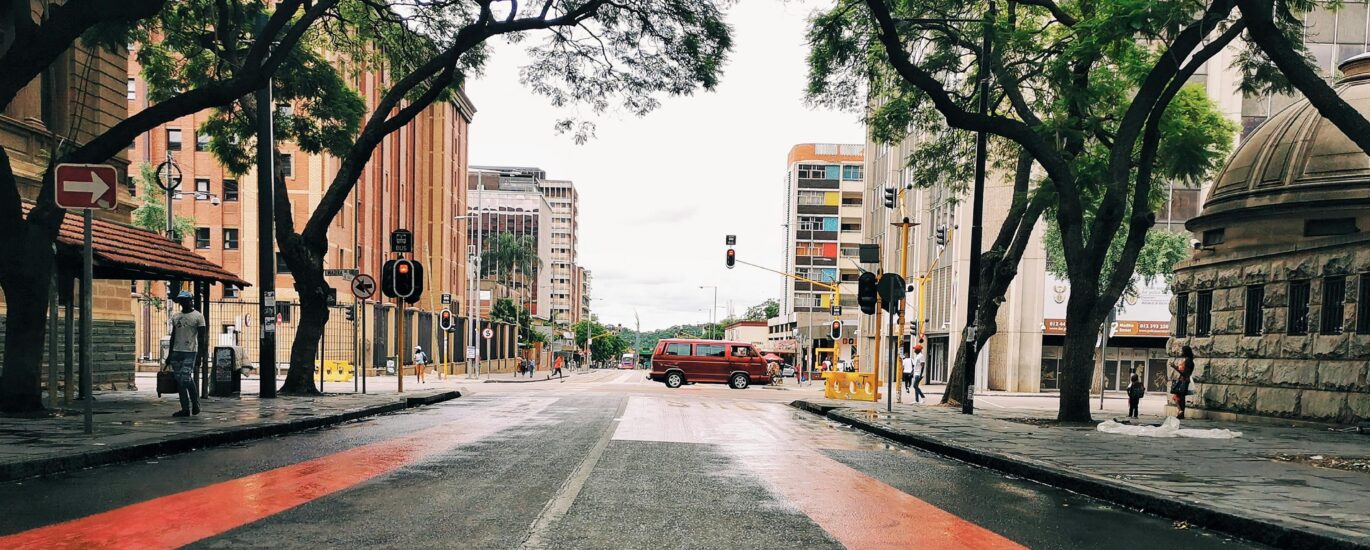
Discover how to bring the vibrancy of city life to life through your lens.
Urban photography offers an exciting challenge: capturing the soul of a city and the unique stories found in its streets, people, and architecture. Whether you’re a seasoned photographer or just beginning your journey, photographing urban spaces requires a careful balance of technical skills, creativity, and sensitivity to your surroundings. Here are essential tips to help you capture the true essence of a city and transform everyday moments into lasting impressions.
1. Get to Know Your City and Plan Ahead
Understanding the spirit of a city begins with exploration. Each city has its unique character—whether it’s the bustling streets of Johannesburg or the serene walkways in Cape Town’s Bo-Kaap neighborhood.
- Research Key Areas: Look for iconic landmarks, hidden alleys, and popular gathering spots. Know what times of day are busiest or quietest, and consider sunrise or sunset for soft, atmospheric lighting.
- Look for Local Events: Markets, street festivals, and parades offer great opportunities to capture locals in their element, engaging with the environment.
- Explore Beyond the Usual Spots: Venture into lesser-known areas, where local life unfolds away from tourist attractions. These places often reveal a city’s authentic vibe.
2. Experiment with Light and Time of Day
Lighting can make or break a photograph, so knowing how to work with different types of light will help you bring out the best in your subjects.
- Golden Hour: The hour after sunrise and before sunset casts a warm, diffused light that softens shadows and enhances textures. It’s perfect for capturing architecture and bustling cityscapes in a glowing, inviting hue.
- Blue Hour: Just after sunset, the sky has a deep, blue tone that contrasts beautifully with artificial lights. This period is ideal for cityscapes, as street lights and building lights start to illuminate.
- Night Photography: Nighttime shots require different techniques. Use a tripod to stabilize your camera, allowing for longer exposure times to capture vibrant lights, neon signs, and city reflections on wet surfaces.
3. Master the Art of Composition
Composition can make the difference between an ordinary shot and a captivating one. Here are some classic compositional techniques to keep in mind.
- Rule of Thirds: Divide your frame into a 3×3 grid and place key elements along these lines. This approach creates balance and interest by offsetting the main subject.
- Leading Lines: Use roads, railways, or architectural elements to draw viewers’ eyes through the image, guiding them toward your subject.
- Frame Within a Frame: Find elements like doorways, windows, or arches to naturally frame your subject within the shot. This technique adds depth and focuses attention on the focal point.
- Symmetry and Patterns: Cities are full of repeating shapes and symmetrical structures. Capture them to highlight the organized chaos or hidden harmony within urban environments.
4. Focus on the Details and Embrace Imperfections
Cities are made up of countless small details that tell big stories. Capture these nuances, from peeling paint on an old building to graffiti on alley walls.
- Textures and Colors: Use vibrant colors, contrasting textures, and interesting patterns to convey the city’s personality.
- Document Imperfections: Street photography isn’t about perfect shots; it’s about storytelling. Embrace the grit and grime, the worn-down places, and the unique character that gives each city its charm.
- Capture Layers: Include foreground, middle ground, and background elements to add depth to your photos. For instance, frame a close-up of an old street vendor with a cityscape in the background.
5. Candid Portraits: Capture People Naturally
People are at the heart of every city, so photographing them in candid moments can reveal a city’s soul. However, it’s essential to approach street photography with respect and discretion.
- Be Discreet but Respectful: Use a zoom lens to capture genuine expressions from a respectful distance. Respect people’s privacy and ask for permission when appropriate.
- Capture Movement: Incorporate motion blur by using a slower shutter speed to capture people walking, cycling, or bustling through the streets. This adds energy to the frame and illustrates the city’s rhythm.
- Tell Their Story: Look for subjects with expressive faces, unique attire, or engaged in interesting activities. Your goal is to capture their story and how it connects with the broader scene.
6. Find Unique Perspectives and Angles
Cities often look different from new perspectives. Don’t settle for eye-level shots—explore creative angles and positions.
- Bird’s Eye View: Capture the city from above by heading to a rooftop, observation deck, or nearby hill. This perspective can reveal patterns in buildings and streets, offering a sense of scale.
- Worm’s Eye View: Shooting from ground level can make structures appear grander, with looming buildings and towering streetlights.
- Reflections: Look for reflections in puddles, glass buildings, or car mirrors to add visual interest and capture unique perspectives.
7. Play with Shutter Speed
Shutter speed can add drama to your shots, from crisp details to energetic blur.
- Freeze Motion: To capture people or moving cars in crisp detail, use a fast shutter speed of 1/250s or higher.
- Create Motion Blur: To show the rush of a busy street, slow down the shutter speed to around 1/15s. This technique works well at night, capturing light trails and adding dynamism to your photo.
8. Edit to Enhance the Mood
Post-processing helps bring out the colors, contrast, and atmosphere that your photo might lack straight from the camera. However, use it to enhance rather than change the story you’re telling.
- Adjust Contrast and Shadows: Add depth by adjusting contrast, highlights, and shadows.
- Boost Colors: Subtle saturation can bring life to the urban landscape, but don’t overdo it. Aim for natural enhancements.
- Experiment with Black and White: Urban photography looks striking in monochrome, as it highlights contrast, shapes, and textures.
9. Use the Right Gear and Settings
A smartphone or DSLR camera will both work for urban photography. Here’s how to optimize them for city shoots:
- Smartphone Tips: Use the camera’s Pro or Manual mode if available. Apps like Snapseed and Lightroom Mobile can help you edit directly on your phone.
- DSLR or Mirrorless Cameras: Equip yourself with a versatile lens, such as a 35mm or 50mm prime, for everyday street photography. A wide-angle lens is ideal for cityscapes, while a zoom lens is excellent for discreet candid shots.
- Settings: Shoot in aperture priority mode to control depth of field, and use ISO 100-400 during the day to keep images sharp and clear.
10. Stay Safe and Aware of Your Surroundings
Urban photography often involves exploring unfamiliar areas, sometimes in crowded or busy locations. Prioritize safety at all times.
- Be Mindful of Your Belongings: Keep your equipment secure and be discreet in areas where photography equipment might attract unwanted attention.
- Stay Aware of Local Laws: In some places, photographing people or government buildings may be restricted, so respect local regulations.
- Travel Light: A small backpack with essential gear makes it easier to move freely through the city.
Final Thoughts
Urban photography is about capturing the stories that make a city pulse with life, from its towering skyscrapers to its vibrant streets and the people who call it home. By experimenting with lighting, perspectives, and candid moments, you’ll begin to see the city in new ways and create images that convey its unique essence. So, grab your camera, hit the streets, and let the city’s stories unfold through your lens!